Folsom
Profile, history
Folsom, California, began to take shape in the early 1800s when explorer Jedediah Smith set up a short-lived fur trade post along the American River. Later, William Leidesdorff, a noted entrepreneur from the West Indies, was granted a large land tract—Rancho de los Americanos—by Mexico in 1844, but passed away before developing it. Captain Joseph L. Folsom, a Mexican-American War veteran, purchased Leidesdorff’s claim and laid out plans for a new town. Folsom’s vision included large lots and plans for growth, but legal battles over land rights delayed development for years. Both Leidesdorff and Folsom died at age 38 before seeing the full results of their efforts, and the area was eventually auctioned off, shaping today’s Folsom.
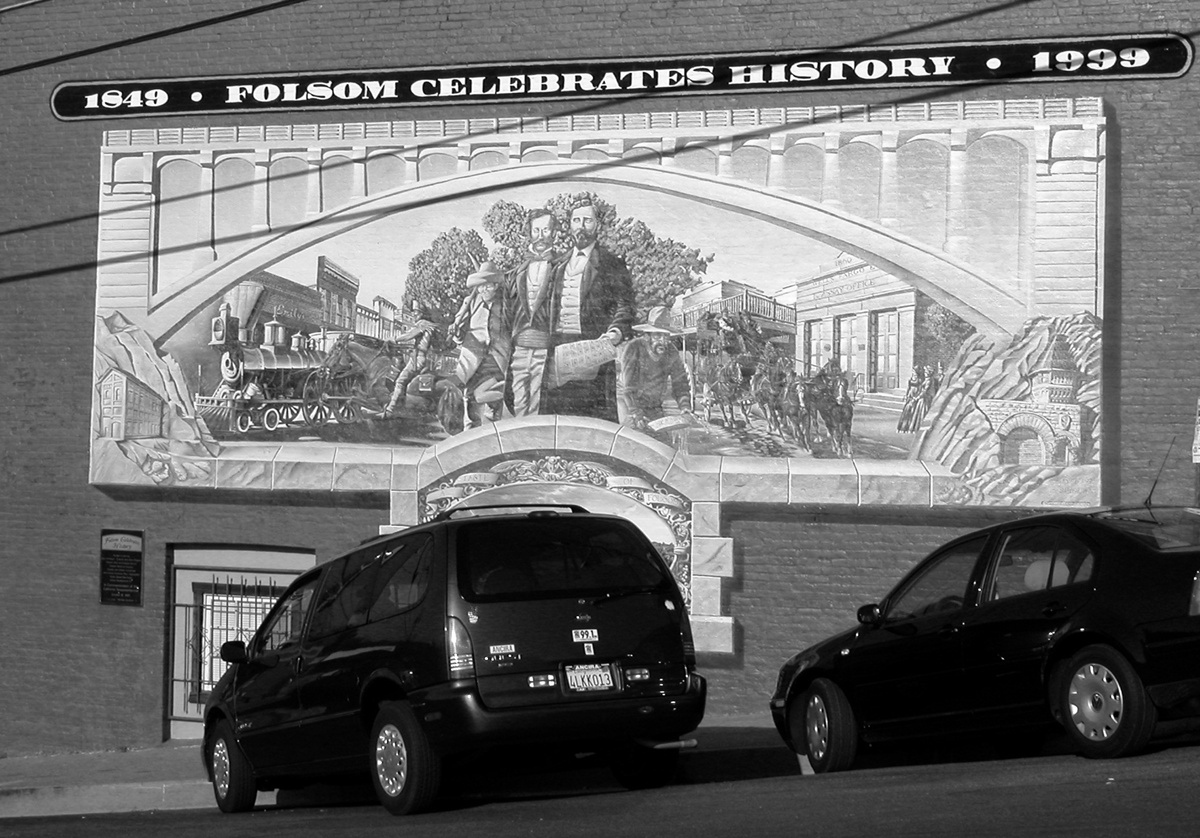
Claims to fame, points of interest
Folsom Prison: Folsom is widely recognized as the site of Folsom Prison, California’s second state prison, established in the 1870s. Its construction and later use of convict labor were crucial in revitalizing the area after a period of economic decline. The prison is known for its notable escapes and is still in operation today, attracting interest for its history and Johnny Cash’s iconic 1968 performance.
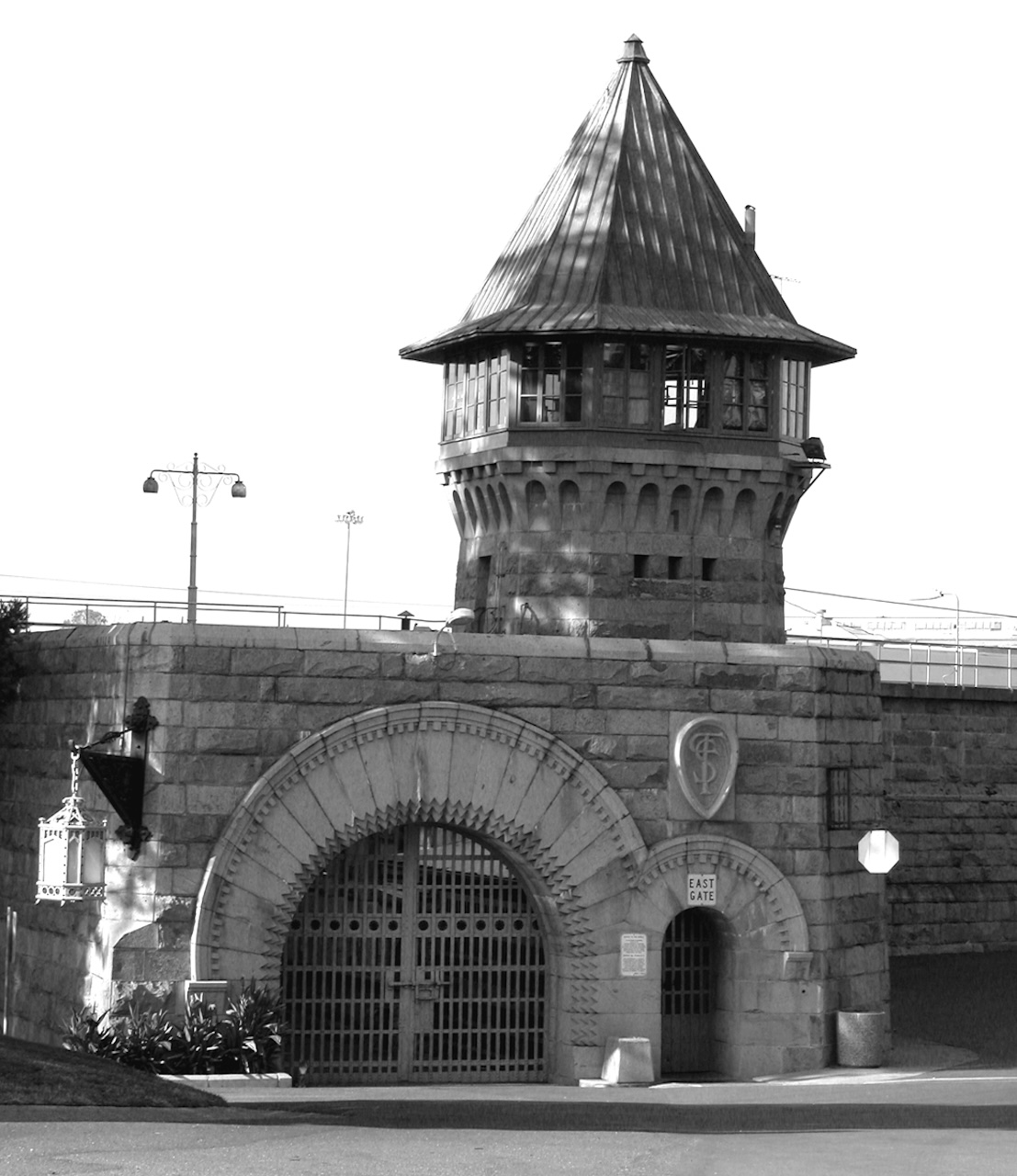
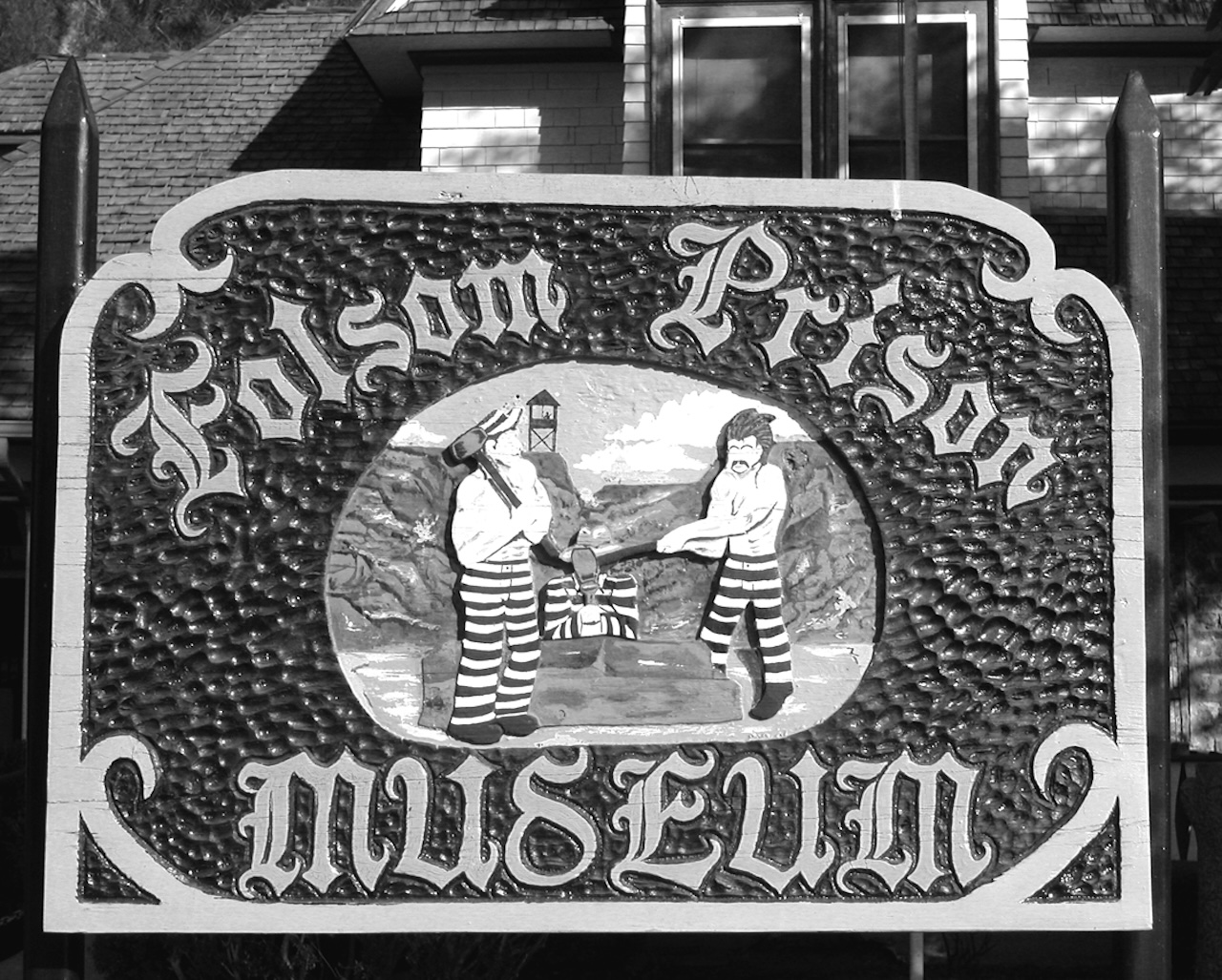
Post-prison development: Although Folsom Prison is still operating today—unlike San Quentin, it has never fully closed—it has gained international notoriety thanks to Johnny Cash’s 1968 performance, which was recorded live at the facility. The prison and its museum attract thousands of visitors every year, serving as a touchstone for the city’s identity and history. Despite its ongoing role as a correctional institution, the city’s growth and community life have moved well beyond its association with the prison.
Present-day Folsom: Modern Folsom is known for its vibrant historic district, thriving shopping and dining scene, popular bike trails, and proximity to the American River and Folsom Lake. With a population of over 80,000, it is a key suburb of the Sacramento area, celebrated for strong schools, family-friendly neighborhoods, and extensive recreation opportunities. Tech companies, healthcare, and tourism contribute to Folsom’s contemporary economy, making it one of the region’s most desirable places to live and visit.