Placerville
Profile, history
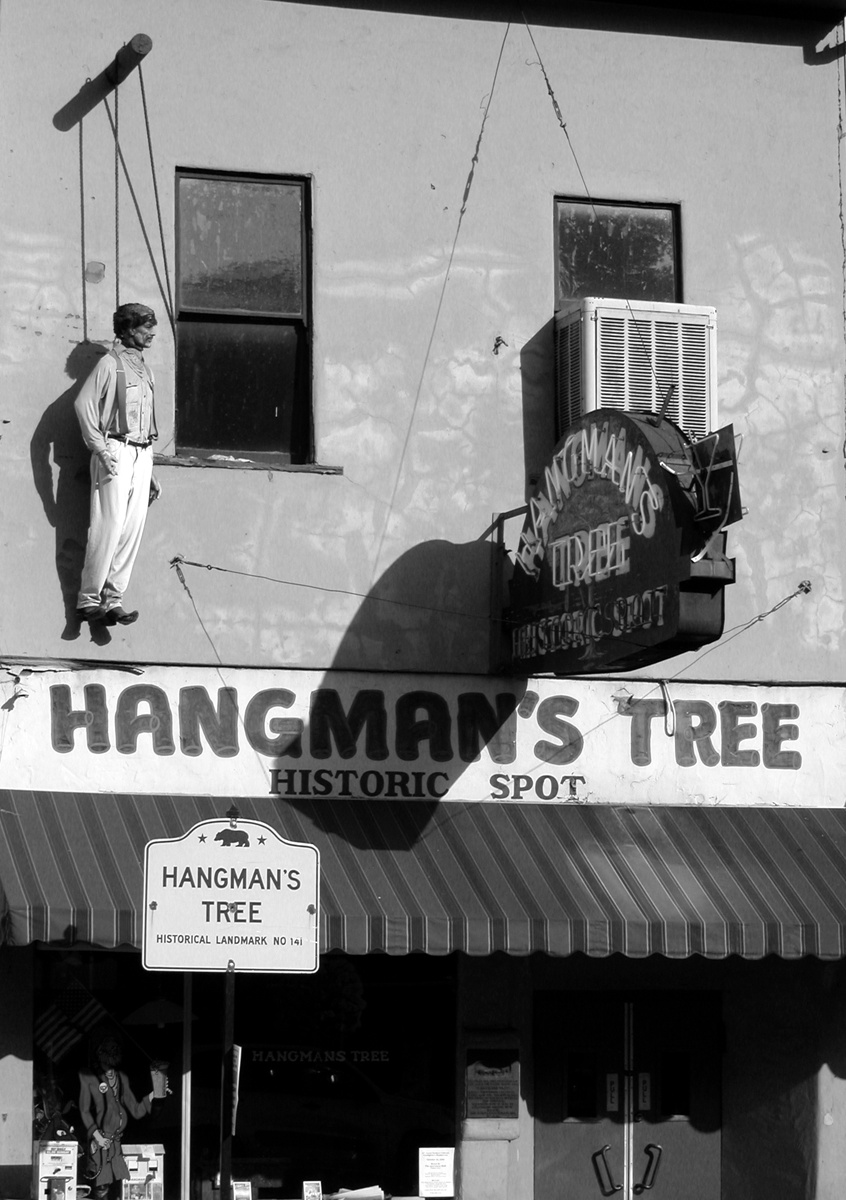
The Gold Rush epicenter. Placerville sprang up overnight in 1848 as thousands rushed to California’s Sierra foothills seeking fortune. First known as Dry Diggings for the lack of water, and later infamous as “Hangtown” for its rough justice, the area soon became an economic and social hub for the Gold Rush. In 1850, rich placer deposits were discovered on nearby Weber Creek, and the town was renamed Placerville. By the mid-1850s, Placerville had become the El Dorado County seat and a vital supply center—with stage routes, blacksmiths, merchants, newspapers, and entertainment catering to a swelling population of miners and adventurers. Its boomtown atmosphere shaped the region for decades to come.
Who’s who. Placerville lent a start to several iconic figures: industrialist Philip Armour got his first job washing dishes in a Placerville hotel, Mark Hopkins (a builder of the transcontinental railroad) clerked in a local store, J.M. Studebaker began building wheelbarrows and later co-founded the Studebaker automobile company, and Edwin Markham taught school before finding fame as a poet. Even Ulysses S. Grant briefly served in the area as a young officer, and Leland Stanford (railroad builder and California governor) worked nearby in Cold Springs. Their early ties reflect Placerville’s dynamic role in westward expansion and American history.
Claims to fame, points of interest
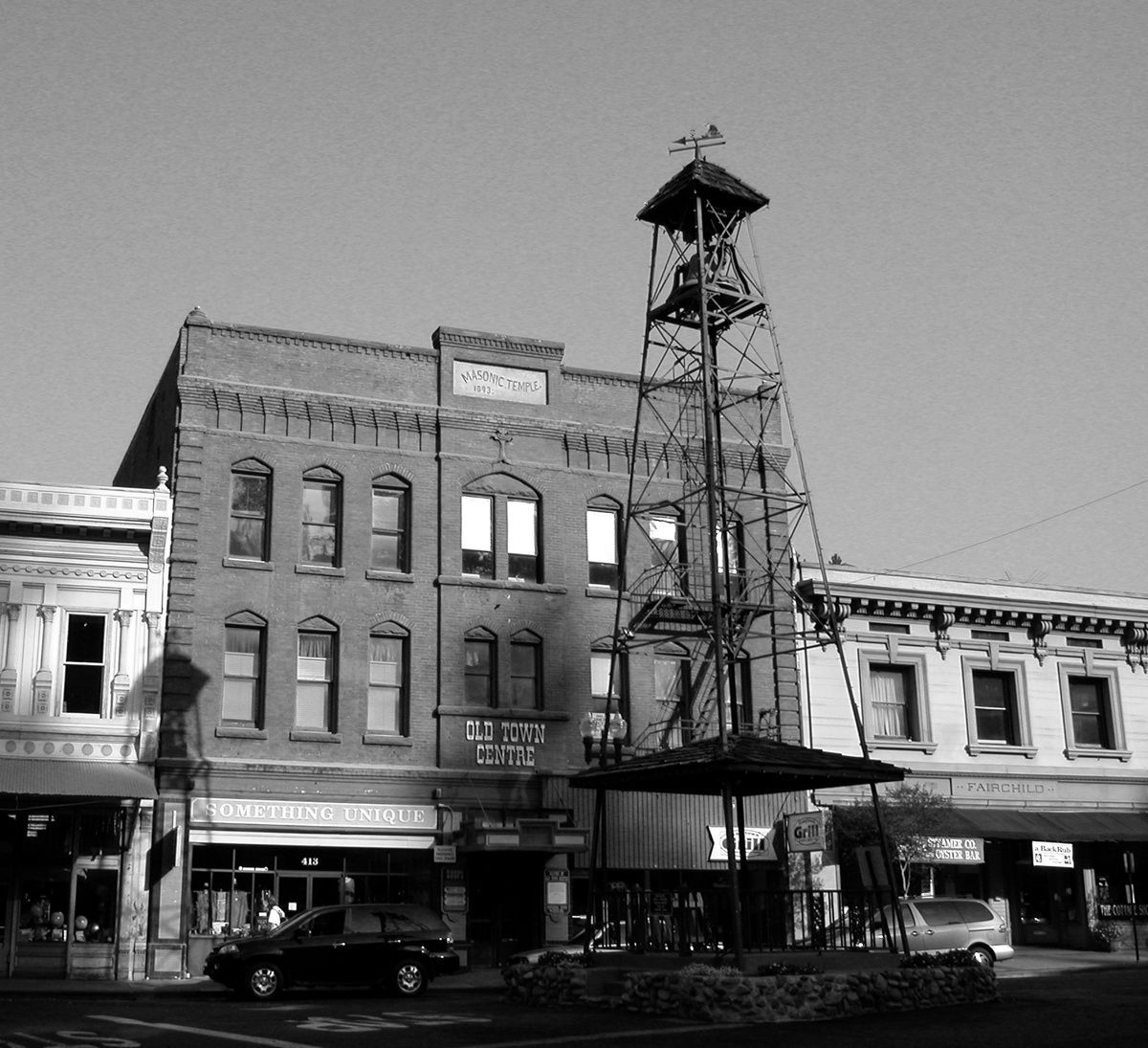
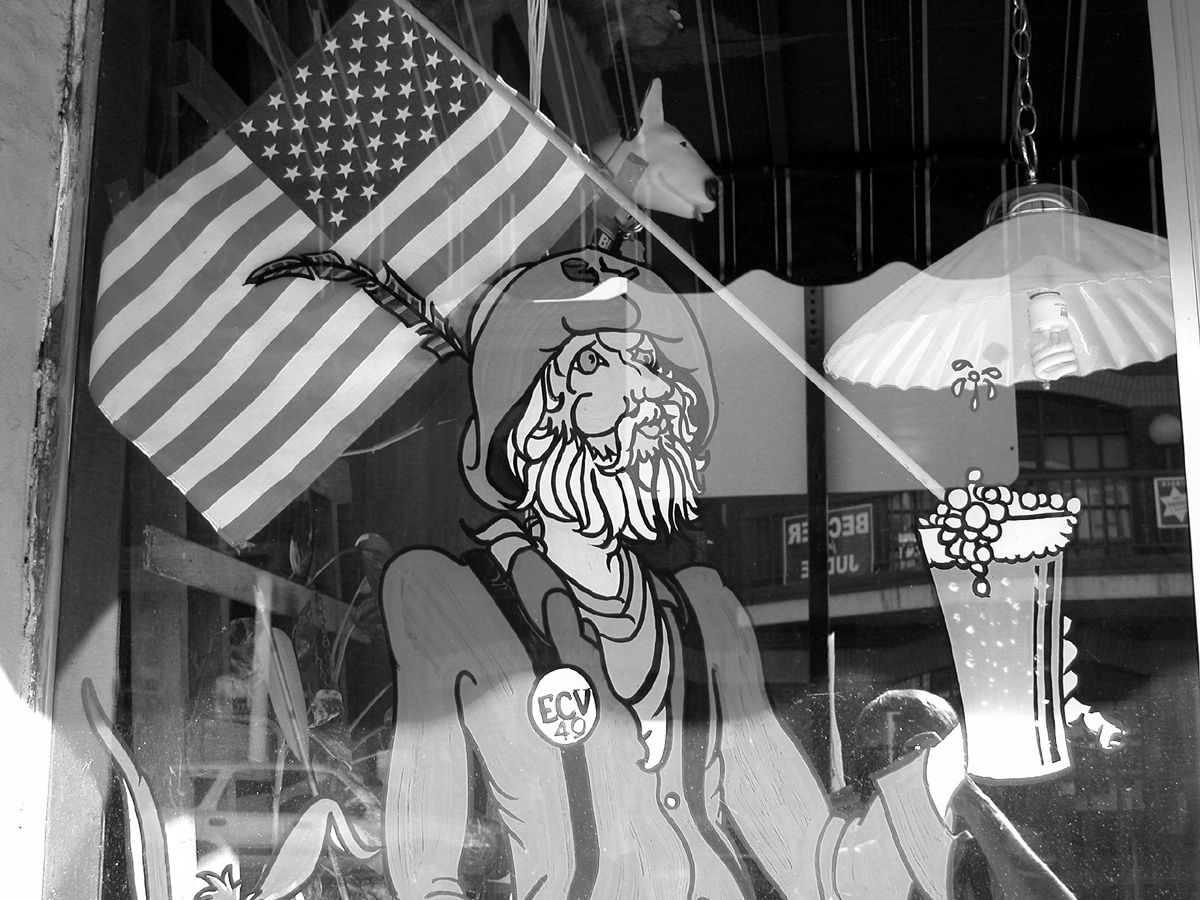
Placerville is celebrated for its historic Main Street and colorful Gold Rush landmarks—many preserved for visitors and locals alike. Stroll the old town centre with its classic storefronts, visit the site of Hangman’s Tree (recalling “Hangtown” justice), and explore atmospheric signs, museums, and restored 19th-century buildings. The city’s Gold Rush legacy is at the heart of civic festivals, tours, and history programs that keep the pioneer spirit alive for new generations.
For more information
- El Dorado County Historical Museum (eldoradocountyhistoricalmuseum.org)
- Placerville Downtown Association (placerville-downtown.org)
- Placerville city website (cityofplacerville.org)
- Mountain Democrat newspaper (mtndemocrat.com)
- California State Library Gold Rush history (library.ca.gov)