Where does El Dorado Hills' water come from?
Introduction
The western slopes of the Sierra are relatively dry, with few year-around water sources, so it’s not too surprising that water (or, more accurately, the lack thereof) has been an important regional issue since Gold Rush times.
The ranches that dotted the hillsides between about 1850 and 1962 (when real estate development became the primary economic endeavor) made use of creek water in the winter and spring, and had wells to supply summer and fall needs.
Over the years, wells in the El Dorado Hills area (then known as Clarksville) started to go dry. Over the years, many ranch owners sold or abandoned their land and moved to places where the water supply was more reliable.
As recently as the summer of 2001, current residents also suffered water shortages—severe enough that water usage was restricted.
El Dorado Hills residents, merchants, business people, and real estate developers are now asking themselves: Do we have enough water to support the brisk residential and business growth predicted to continue for years to come? Or will we suffer the same fate as our ranching “forebears”?
What organization provides water to El Dorado Hills?
El Dorado Hills water is provided by the El Dorado Irrigation District (EID), a public agency serving the western slope of El Dorado County (from Pollock Pines on the east to El Dorado Hills on the west) in the areas of:
- Water supply, treatment, and distribution
- Wastewater (sewage) treatment
- Water recreation (for example, the EID manages the Sly Park recreation area for the U. S. Bureau of Reclamation (USBR))
The EID serves the water needs of approximately two-thirds of the people living in El Dorado County.
The EID treats approximately 6 million gallons of sewage daily at a treatment plant on Latrobe Road. Water reclaimed from the wastewater operations is either sold for irrigation purposes (for example, landscaping in the Serrano real estate developments of El Dorado Hills is maintained using reclaimed water) or discharged into the Deer Creek basin.
The EID produces approximately 32,000 acre-feet of potable water yearly (at a treatment plant on Francisco Drive near Sheffield Drive), which it receives from sources like the following:
- Folsom Lake
EID’s contract with the USBR, which manages the water in Folsom Lake, allows it to take 7,550 acre-feet of water from Folsom Lake yearly (in a typical year, about 20% of the total distributed to EID customers).
- Sources owned or controlled by the EID
One of these sources is Sly Park Reservoir, also know as Jenkinson Lake, which supplies approximately 23,000 acre-feet yearly (or about 60% of the total).
- Other water sources (the remaining 20%) that are part of "Project 184
The name refers to the fact that in 1919 PG&E was awarded the 184th hydroelectric contract issued by the U. S. government.
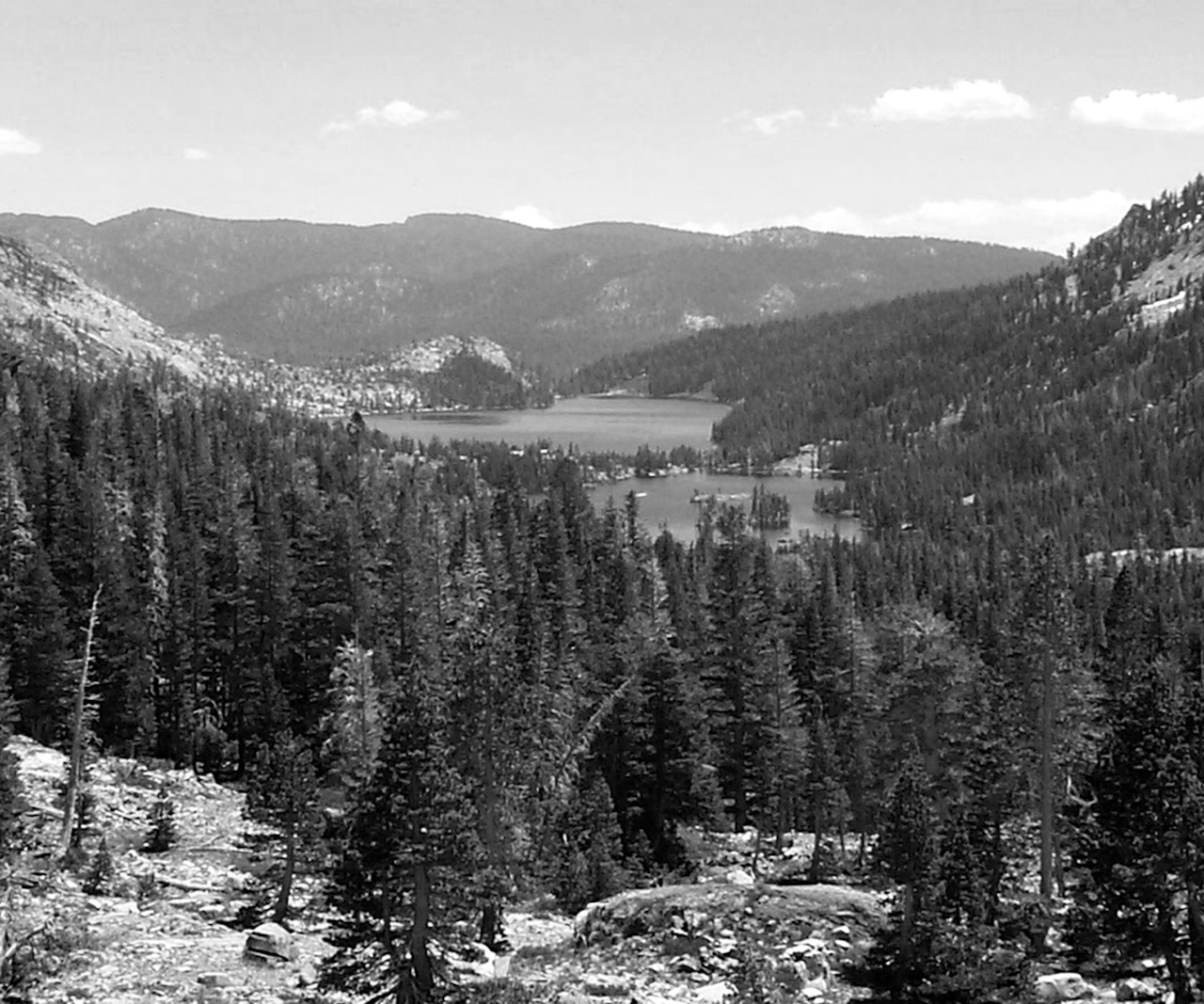
Project 184 water sources include Aloha, Echo, Caples, and Silver lakes in the high Sierra.
Water from these sources flows to the El Dorado Diversion Dam near Kyburz, where some of it is diverted to canals and tunnels leading to the El Dorado Forebay near Pollock Pines. Water released from the forebay either goes into a canal that bypasses the powerhouse or into a pipeline that leads to the powerhouse where it is used to run the generators.