Native plants
Vegetation types
The natural vegetation types throughout the El Dorado Hills area are mostly grass-oak woodland and chaparral.
Native trees common in the area are:
- Gray Pine (sometimes called Digger Pine) (Pinus sabiniana)
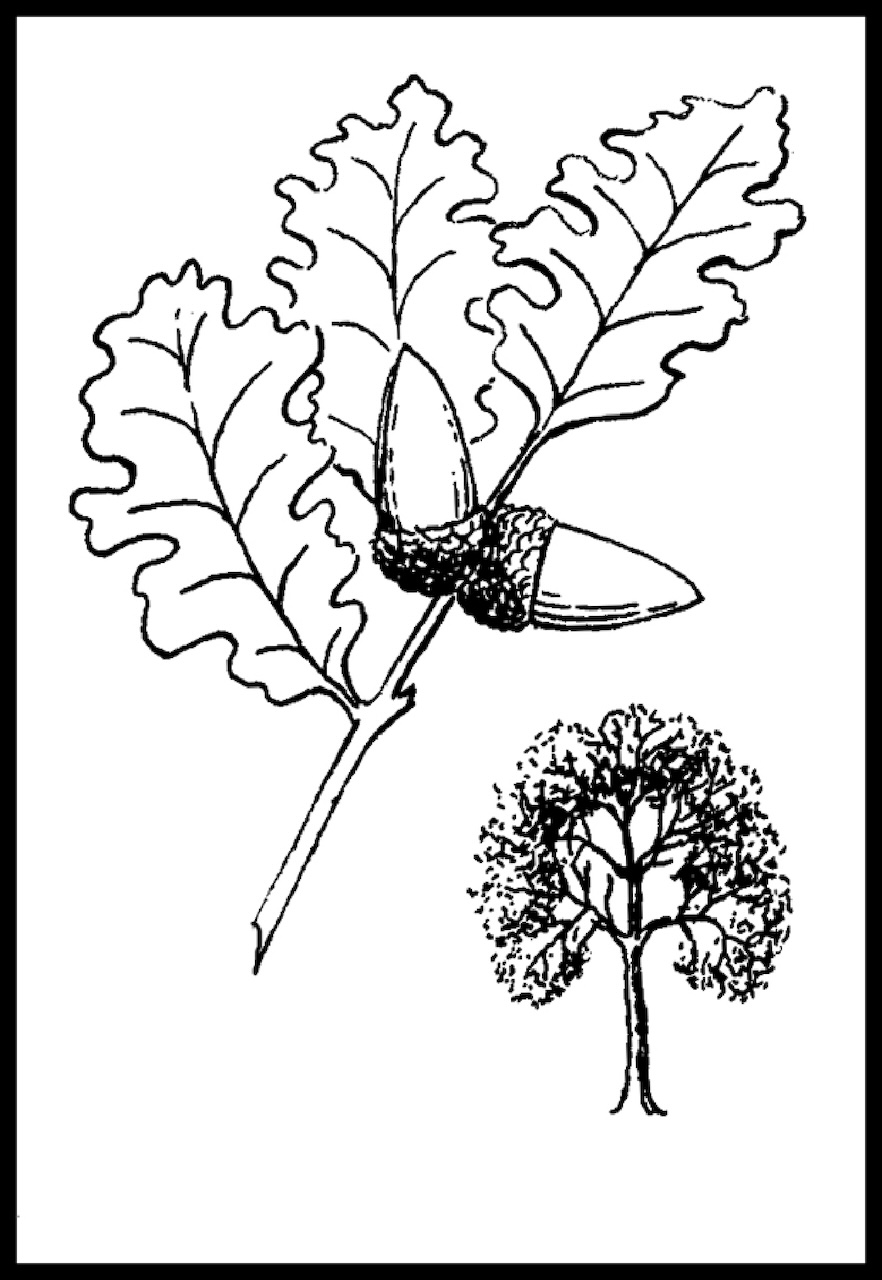
- Blue Oak (Quercus douglasii)
- Interior Live Oak (Q. wislizenii)
- Valley Oak (Q. lobata)
All of these trees can withstand severe drought. In fact, too much water in the naturally dry season can kill them, and householders need to be careful that runoff from a lawn or flower bed does not reach their roots.
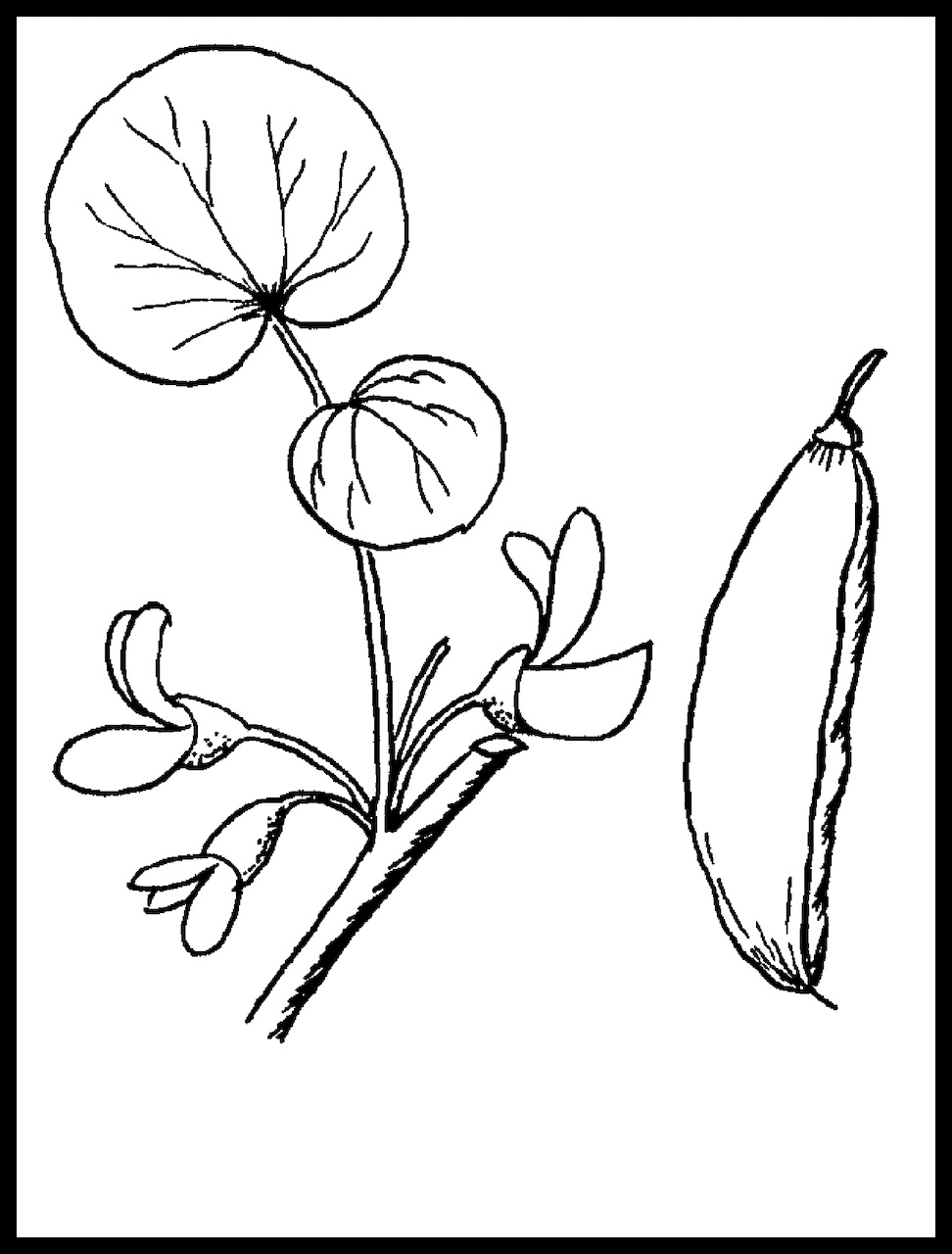
Other common plants native to the Sierra foothills are California Western Redbud (a large, attractive bush with heart-shaped leaves, whose bright magenta flowers grace the April landscape), many grasses, California Poppy, and various kinds of lupines and vetch.
Vegetation types along the creeks are riparian woodlands, where common plants are:
- Blackberry (Rubus vitifolius)
- Blue Oak (Quercus douglasii)
- Buckeye (Aesculus californica)
- Buttonbush (Cephalanthus occidentalis)
- California Grape (Vitis californicus)
- Fremont Cottonwood (Populus fremontii)
- Rushes
- Sedges
- Valley Oak
- Willows
Glossary
The following table lists key terms used in this topic and their definitions.
| Term | Definition |
|---|---|
| chaparral vegetation type | One of the vegetation types in the Sierra foothills. Features hard-leafed, drought-resistant plants. |
| grass-oak woodland vegetation type | One of the vegetation types in the western Sierra foothills. Characteristic plants are oaks, pines, and grasses. |
| riparian woodland vegetation type | Any area within 50 feet from the center line of a seasonal creek or stream or any area within 100 feet from the shoreline of a pond, lake, or reservoir. These areas generally enjoy protected status. |
Place to visit: Pine Hill Preserve.
Just to the east of El Dorado Hills, Pine Hill Preserve is a good place to learn about local botany and geology. The preserve is a collaborative effort among various federal, state, county, and private organizations to save the habitat of plants that grow nowhere else on earth. It is divided into a number of separate parcels of land.
The Cameron Park Unit is one of the parcels open to the public. The best time to visit the preserve is April through June when many of the plants are in bloom.
Some of the species protected in the preserve are the following:
- Pine Hill Ceanothus (Ceanothus roderickii). This ceanothus (related to other, more common ceanothus plants common in the foothills) has small white flowers, which can have a pinkish or bluish tinge. Periodic fire has a positive effect on this plant.
- El Dorado Bedstraw (Galium californicum ssp. sierrae). This plant has small, pale yellow flowers. It is very difficult to spot.
- El Dorado Mule-ears (Wyethia reticulata). This plant is a perennial in the sunflower family. It has yellow flowers that appear in May or June. It grows in gabbro and serpentine soils.
- Stebbins’ Morning-glory (Calystegia stebbinsii). This endangered species has white flowers (typical morning-glory flowers but smaller).
- Red Hills Soaproot (Chlorogalum grandiflorum). This plant is a member of the lily family. The leaves are dark-green and wavy. The flowers open in the evening.
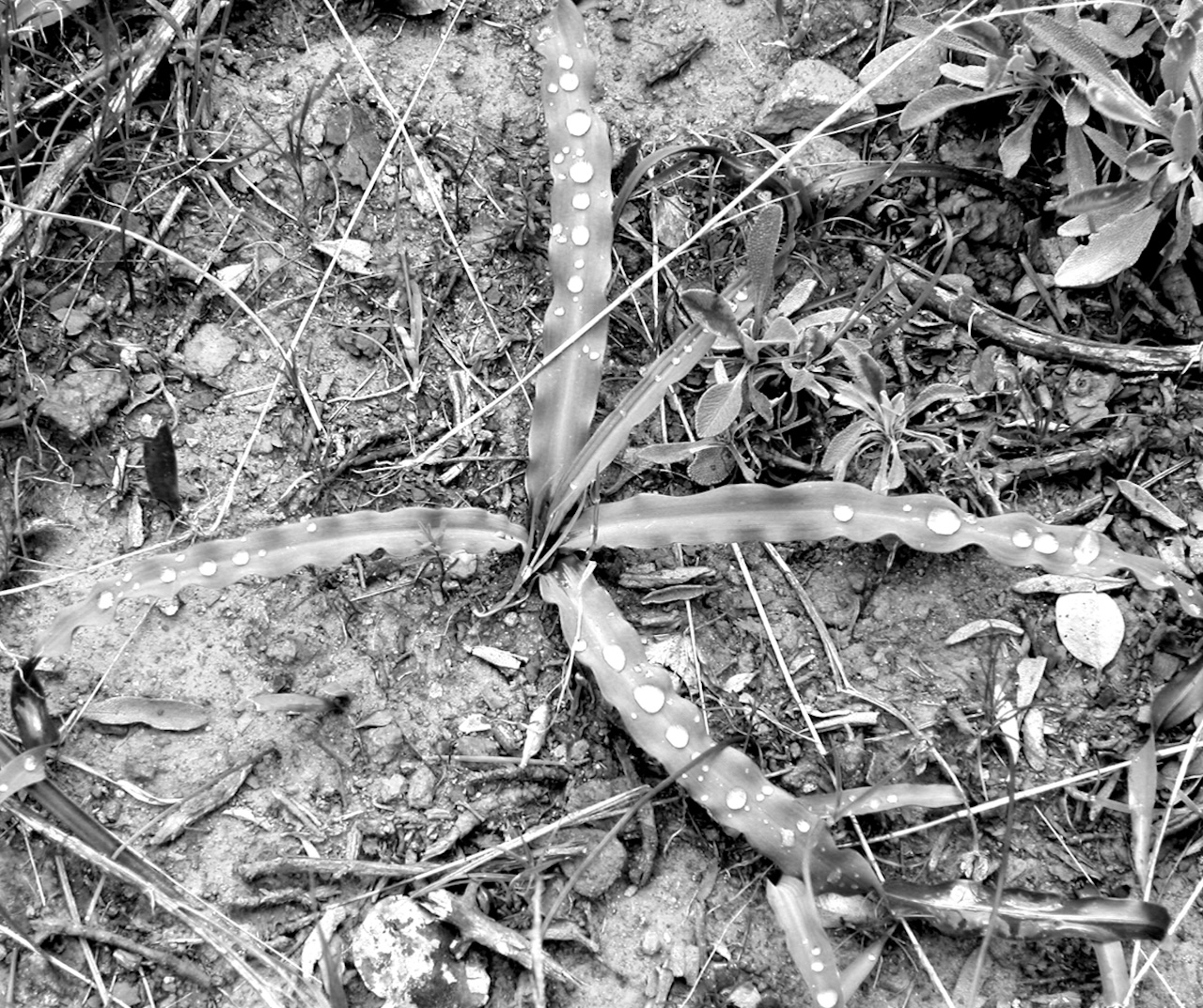
Soaproot has many uses, including:
- The root can be used to make soap or shampoo, and the local Indians mashed it and threw it into pools of water to stupify the fish so they could catch them more easily.
- The root can be baked (to remove the soapy taste) and eaten.
- The fibers surrounding the root can be made into brushes.