Gold Rush
The lure of gold
The legend of el dorado began in South America as a mythical gold-covered chief. Rumors of gold in California circulated for centuries, with place names like “El Dorado” appearing on maps by 1848. The rush officially began after gold was discovered at Sutter’s Mill in 1848, forever changing the Sierra foothills.
Gold Rush fever lasted little more than a decade, attracting thousands of prospectors—some struck it rich, many left empty-handed, and others stayed and built new livelihoods.
Following sections describe gold formation, mining techniques, a summary of Gold Rush events, and El Dorado Hills’ role in this era.
How gold gets deposited on the surface of the earth
Deep underground, gold combines with chlorine as gold chloride. Heated water brings this compound toward the surface, where cooling separates pure gold from other materials. Gold accumulates in quartz veins (lode deposits) or, through erosion, as loose particles in stream beds (placer deposits).
How gold is taken from the ground
Panning. Miners used pans to wash gold-bearing gravel; heavy gold collects at the bottom of the swirling water.

Sluice boxes and rockers. As easy gold disappeared, miners adopted sloped, riffled wooden boxes to separate gold from dirt using running water. Rockers added a rocking motion for efficiency.
Hydraulic mining. Pressurized water washed away entire hillsides on a vast scale, capturing gold but leaving massive environmental damage.
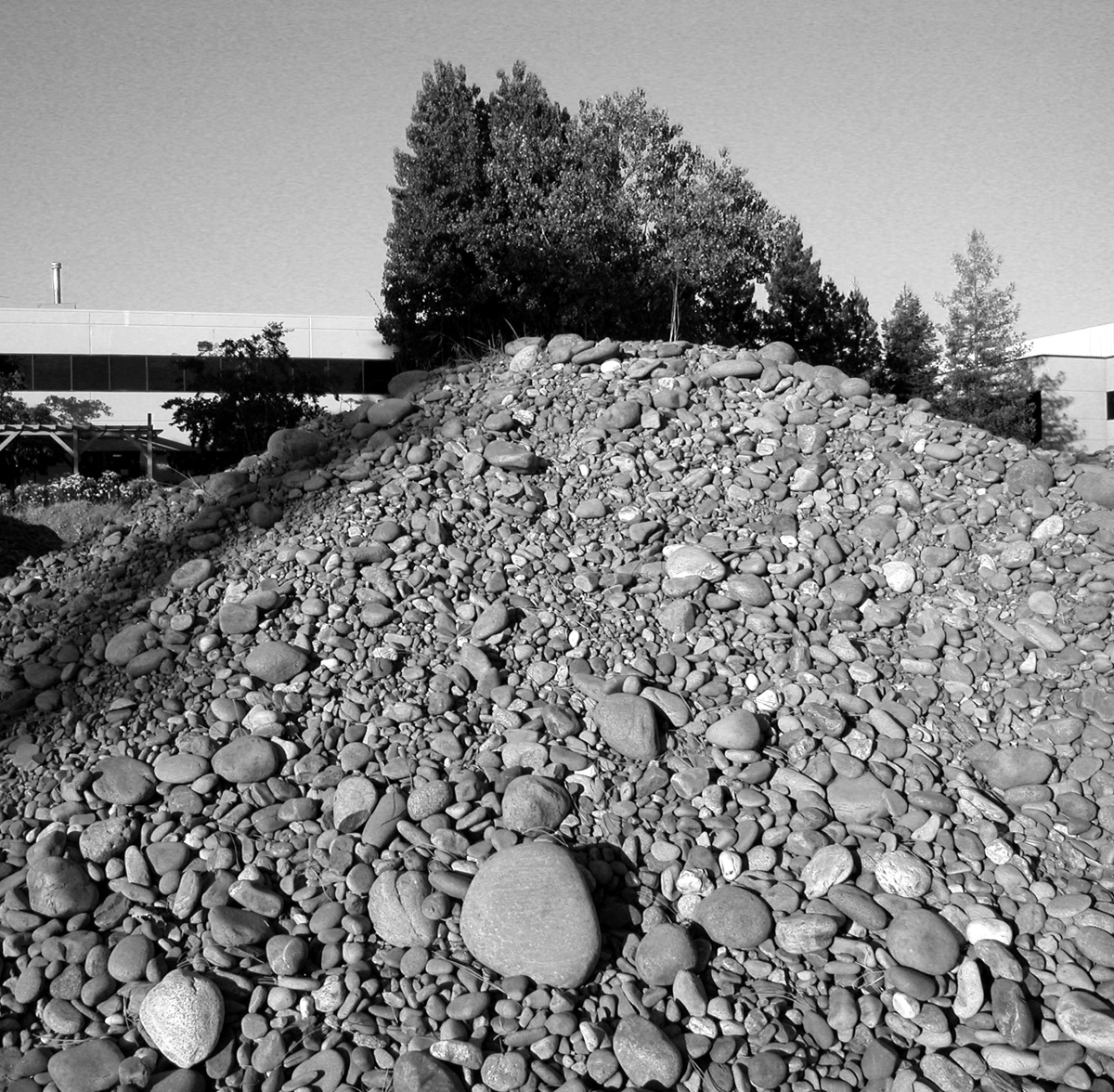
Dredging. Floating barges with buckets scooped riverbeds, separating gold and cobbles. This method was widely used into the 20th century.
Hard-rock mining. Gold in quartz veins required elaborate underground mining and crushing via stamp mills.
Mercury use. Mercury trapped fine gold particles by forming an amalgam, which was separated out. Losses contaminated rivers and remain a health concern today.
Overview of the California Gold Rush
James W. Marshall’s 1848 discovery at Sutter’s Mill sparked the Gold Rush. Workers and settlers, including those from the Mormon Battalion, quickly abandoned ordinary life for gold hunting. Mining communities like Mormon Island flourished; many local Indians worked for miner Charles M. Weber.
Early miners traveled overland or by sea; by 1850, El Dorado County’s population soared to 40,000, dominated by miners. Daily life in the camps was rough but could also be lucrative for those supplying miners—businesswoman Lucy Wakefield famously sold pies for $1 each, amassing a fortune.
Summary of key events
Key dates and Gold Rush milestones:
| Date | Event |
|---|---|
| 1802 | Silver discovered near Monterey. |
| 1828 | Gold discovered in San Diego. |
| 1848 | Marshall’s gold find at Sutter’s Mill; California ceded to the U.S. |
| 1850 | California granted statehood; Gold Rush at peak. |
| 1860 | Pony Express began service across Sierra foothills. |
| 1869 | Completion of the transcontinental railroad (did not reach El Dorado Hills). |
El Dorado Hills’ role in the Gold Rush
Clarksville and Mining. The area around modern El Dorado Hills, especially Clarksville, was an active Gold Rush town with mining along creeks like Allegheny, New York, and Carson. Clarksville at its peak had several hundred residents, a reputation for roughness, and served as a regional hub with inn, post office, and stores.
Highways. Major wagon roads—now Highway 50 and Green Valley Road—linked the region to Sacramento, San Francisco, and the east. In Gold Rush times, traffic was dense and travel arduous. The Placerville and Sacramento Valley Railroad, completed to Shingle Springs, never reached El Dorado Hills.
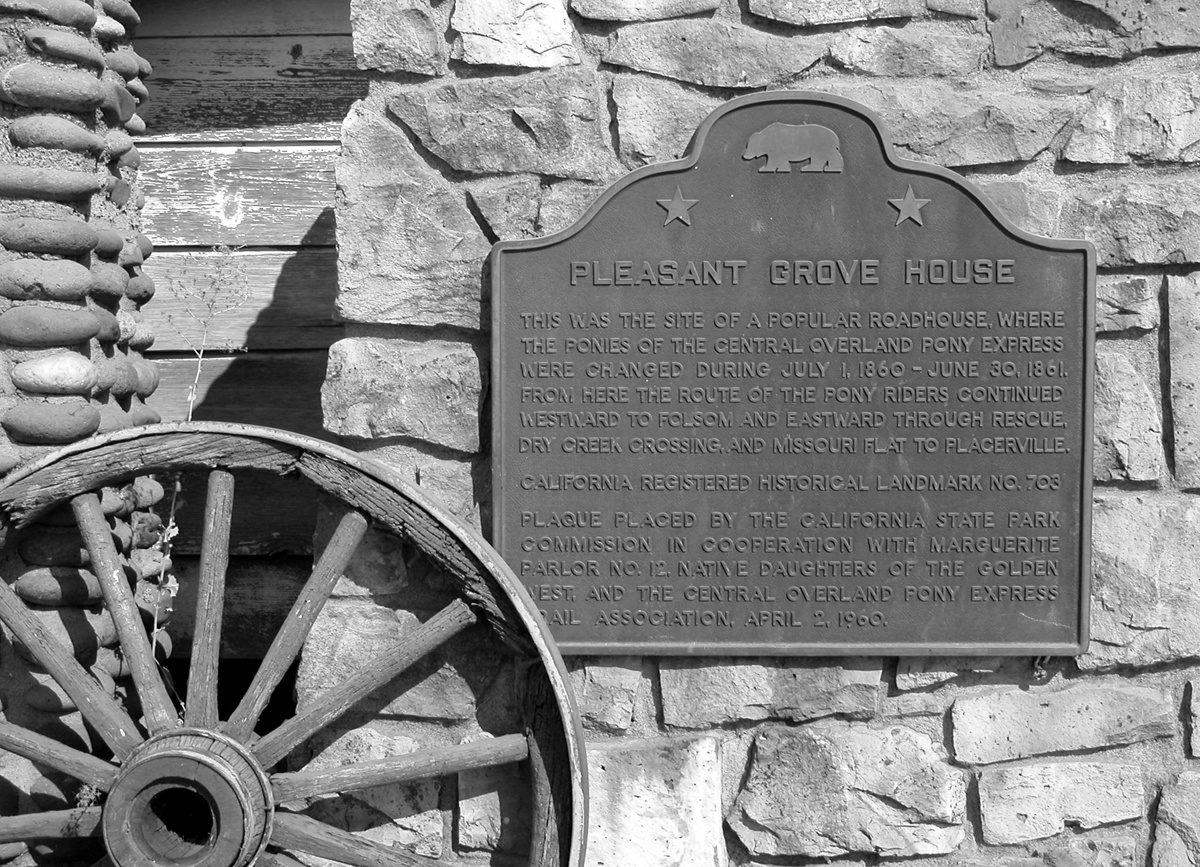
Stagecoach and the Pony Express. Regular stage service brought passengers and mail. The Pony Express relay involved Clarksville and nearby towns, briefly providing the fastest coast-to-coast mail before being supplanted by the telegraph.
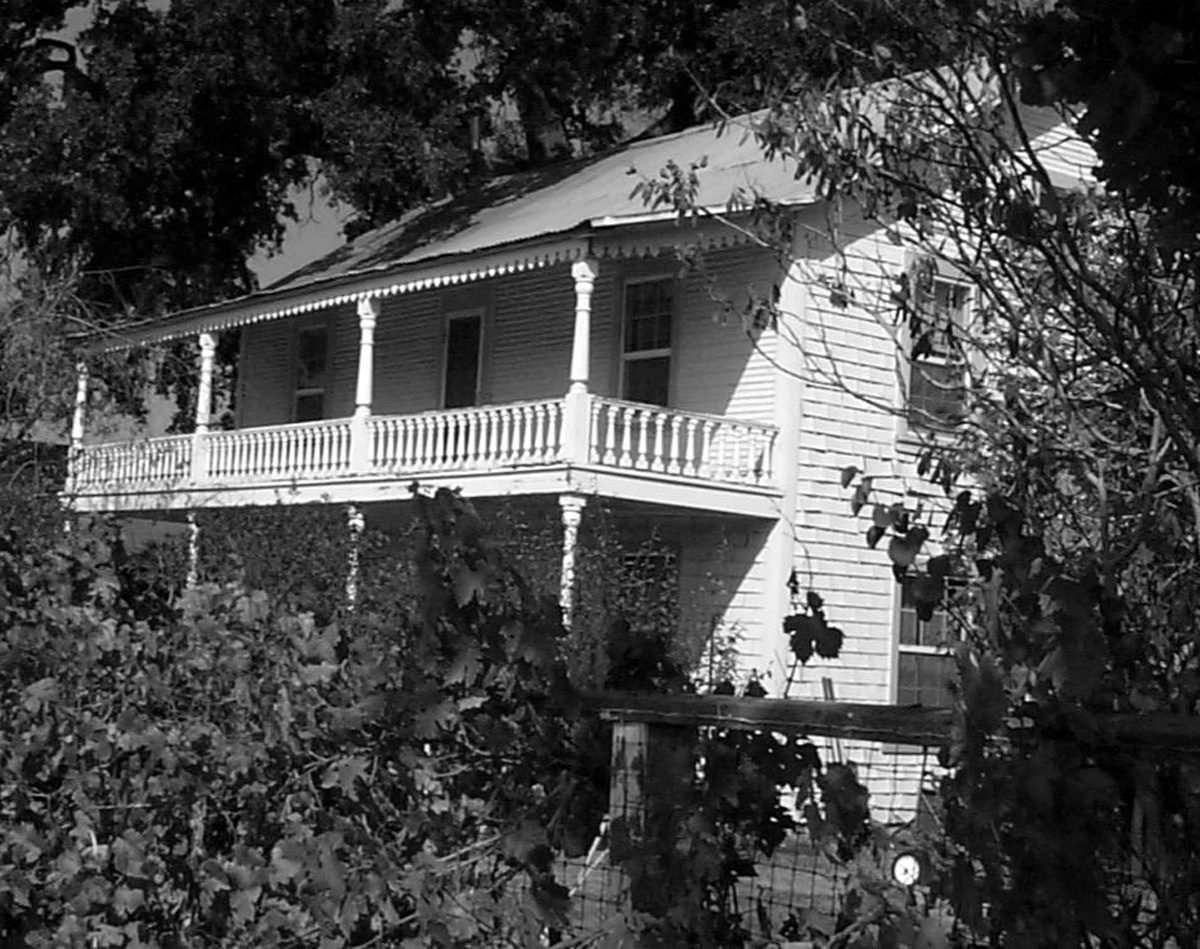
Inns and Landmarks. Inns and overnight stops proliferated along key highways; most have vanished, but local history books and maps document their locations.
Glossary
The following table lists key terms used in this topic and their definitions.
| Term | Definition |
|---|---|
| amalgamation plate | Plate coated with mercury to "capture" fine flakes of gold. |
| argonaut | Term used (along with '49ers) for first California gold-seekers. |
| auriferous channel | River or creek channel containing gold. |
| bullion | Raw gold or silver melted into bricks or bars. |
| cairn | Landmark mound of stones. |
| dredging | Mining method using barges and buckets to scoop riverbeds for gold; environmentally destructive. |
| el dorado | (Spanish) "Gilded one"—see "The lure of gold." |
| flume | Inclined trough built to move water over long distances. |
| hydraulic mining | Mining with pressurized water to wash gold from hillsides; highly destructive. |
| lode (hard-rock) mining | Underground extraction of gold from quartz rock. |
| panning | Simple hands-on method to separate placer gold from gravel in a pan. |
| placer gold | Gold particles found in alluvial or glacial deposits, often in stream beds. |
| quartz mining | Mining method that crushes quartz to extract gold, often using amalgamation plates or cyanide. |
| rocker | Wooden box on rockers to wash and trap gold from dirt and water using riffles. |
| sluice box | An extended trough with riffles, through which water transports gold-bearing dirt and gold is trapped. |
| stamp mill | Machine that crushes ore for gold extraction. |
| tailings | Waste material left after ore is processed. |
For more information
- California Gold Rush overview (californiahistoricalsociety.org)
- Marshall Gold Discovery State Historic Park (parks.ca.gov)
- Placer County Museums (placer.ca.gov/museum)
- California Department of Conservation—Abandoned Mine Lands Unit (conservation.ca.gov)
- "The Early Inns of California" by Ralph Herbert Cross
- "I remember . . ." by Betty Yohalem