Ranching
Clarksville settles down
Clarksville’s Gold Rush period was as rowdy as “Old Hangtown” itself. After the gold fever receded, Clarksville and other mining camps evolved into quieter farming and ranching communities.
Agricultural endeavors
Agriculture dominated the western foothills from the end of the Gold Rush until suburban growth began in the 1960s. Ranching was most common—cattle for beef, local dairies for milk and other products, along with sheep, goats, and horses for work and travel.
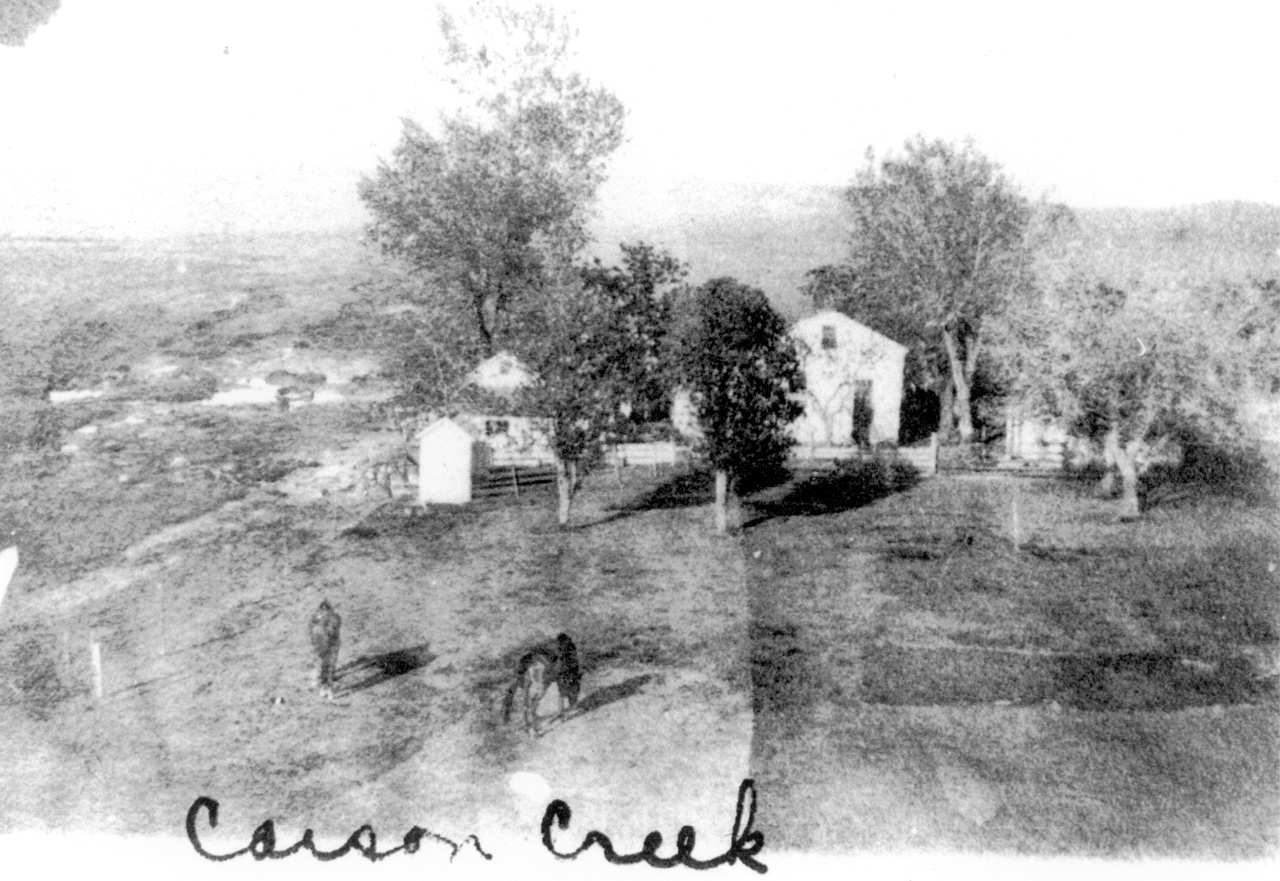
Fertile areas supported orchards and vineyards around El Dorado Hills. Local efforts included the Clarksville Grange, founded in January 1874, which served as a hub for community events and agricultural improvement.
Pioneer families
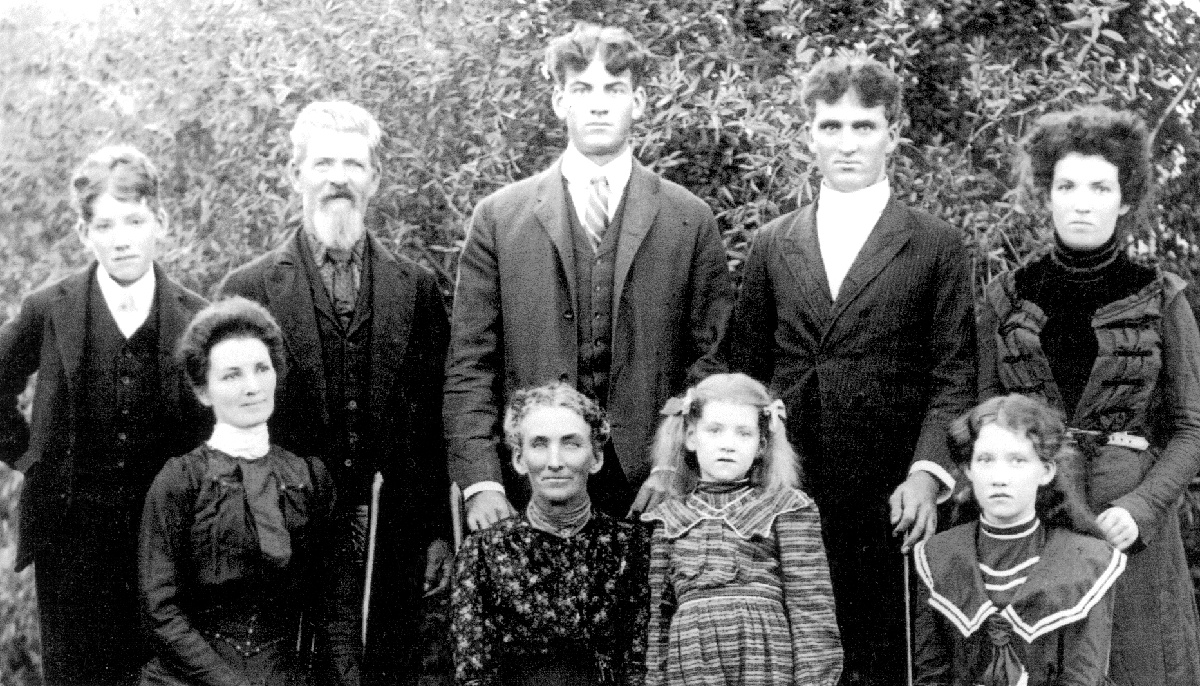
Short sketches of prominent pioneer families:
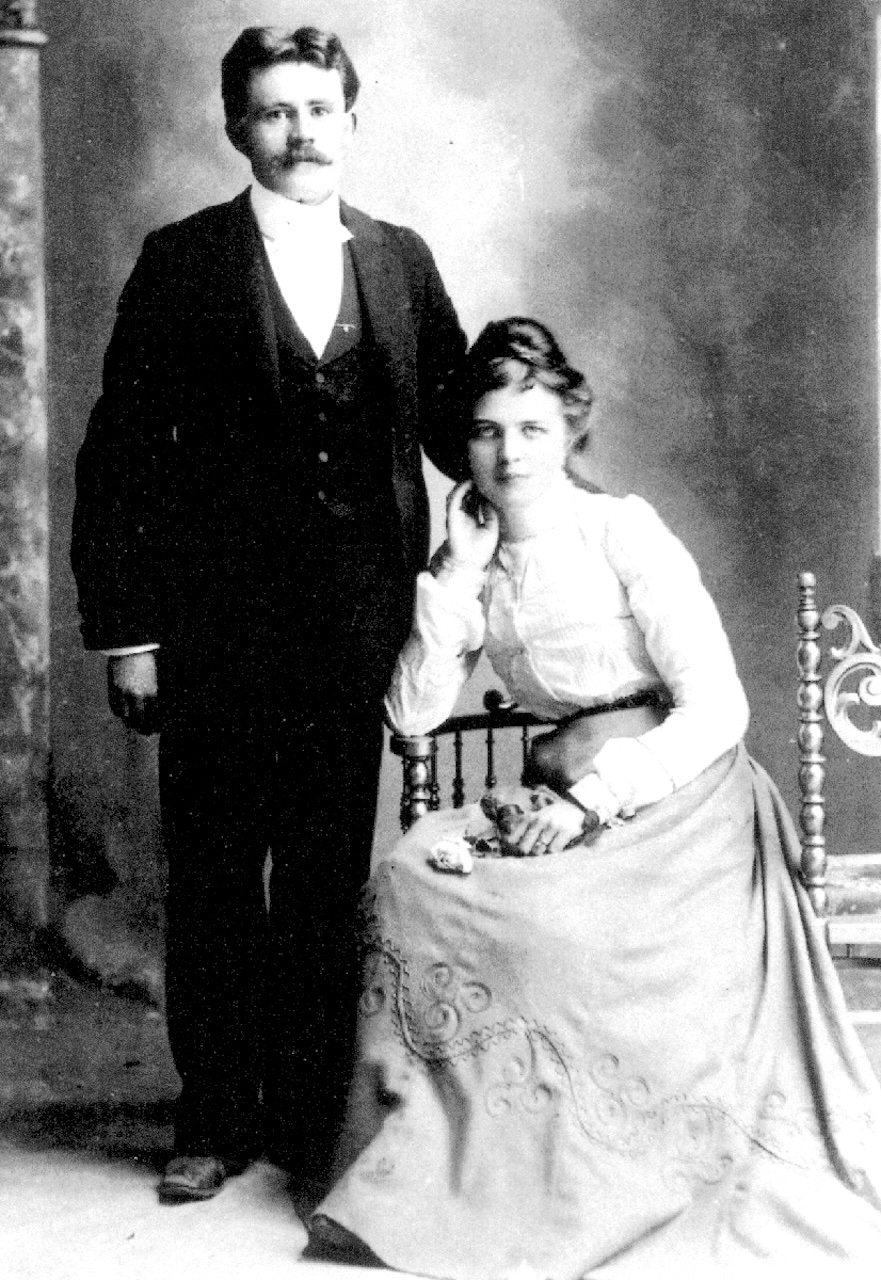
Barton. T. G. Barton owned 720 acres in 1873; Hiram E. Barton married Daisy C. Russi in 1896 near Clarksville.
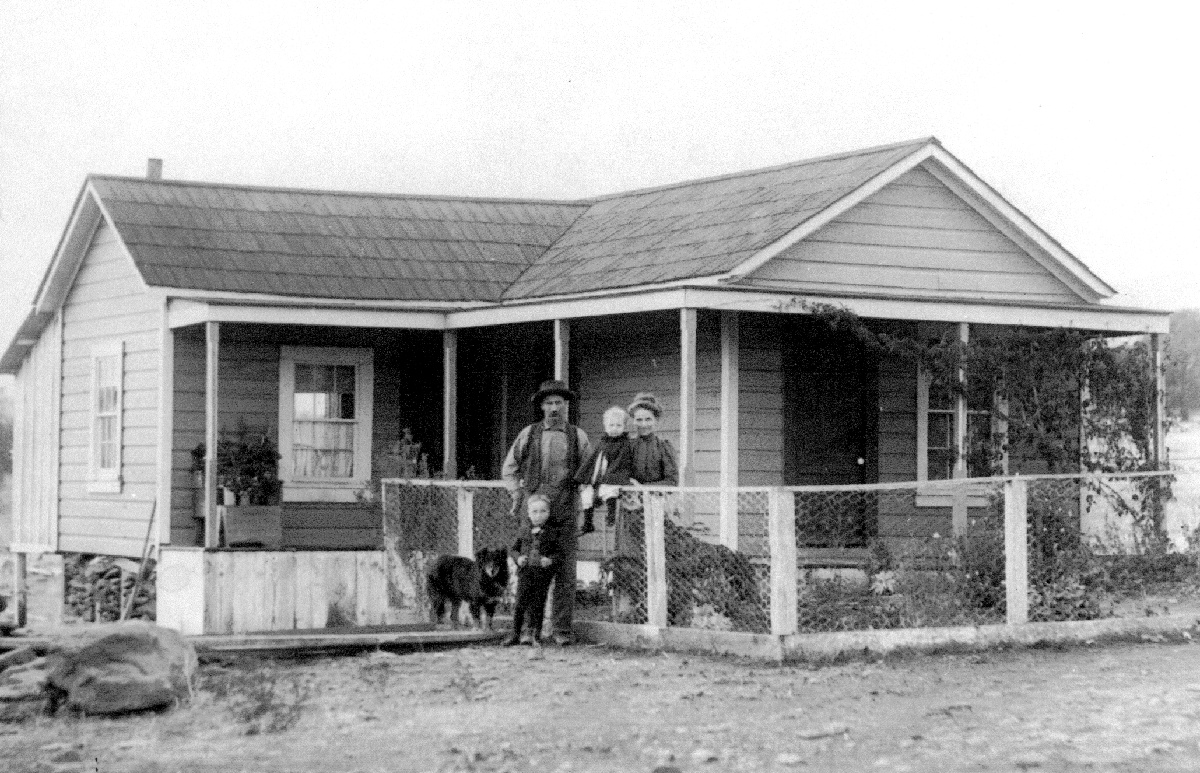
Fitch. George Fitch was a farmer with 445 acres; Wilbur Fitch was a local laborer (1884-85 directory).
Joerger. George Joerger ran a dairy, Joseph Joerger farmed; their property was later purchased by Allan Lindsey, El Dorado Hills’ founder.
Kyburz. Samuel and Rebecca Kyburz came to California in 1846 with their family, traveling separately from the Donner party. Samuel ran an inn at Sutter’s Fort before the family settled near Clarksville; in 1869, they purchased land previously held by the railroad.
Murphy. The Murphy family first occupied ranchland later owned by the Kyburz and Joerger families.
Cemeteries in the El Dorado Hills area
Two notable cemeteries preserve the memory of pioneer families:
Clarksville Cemetery: South side of Highway 50, above Town Center.
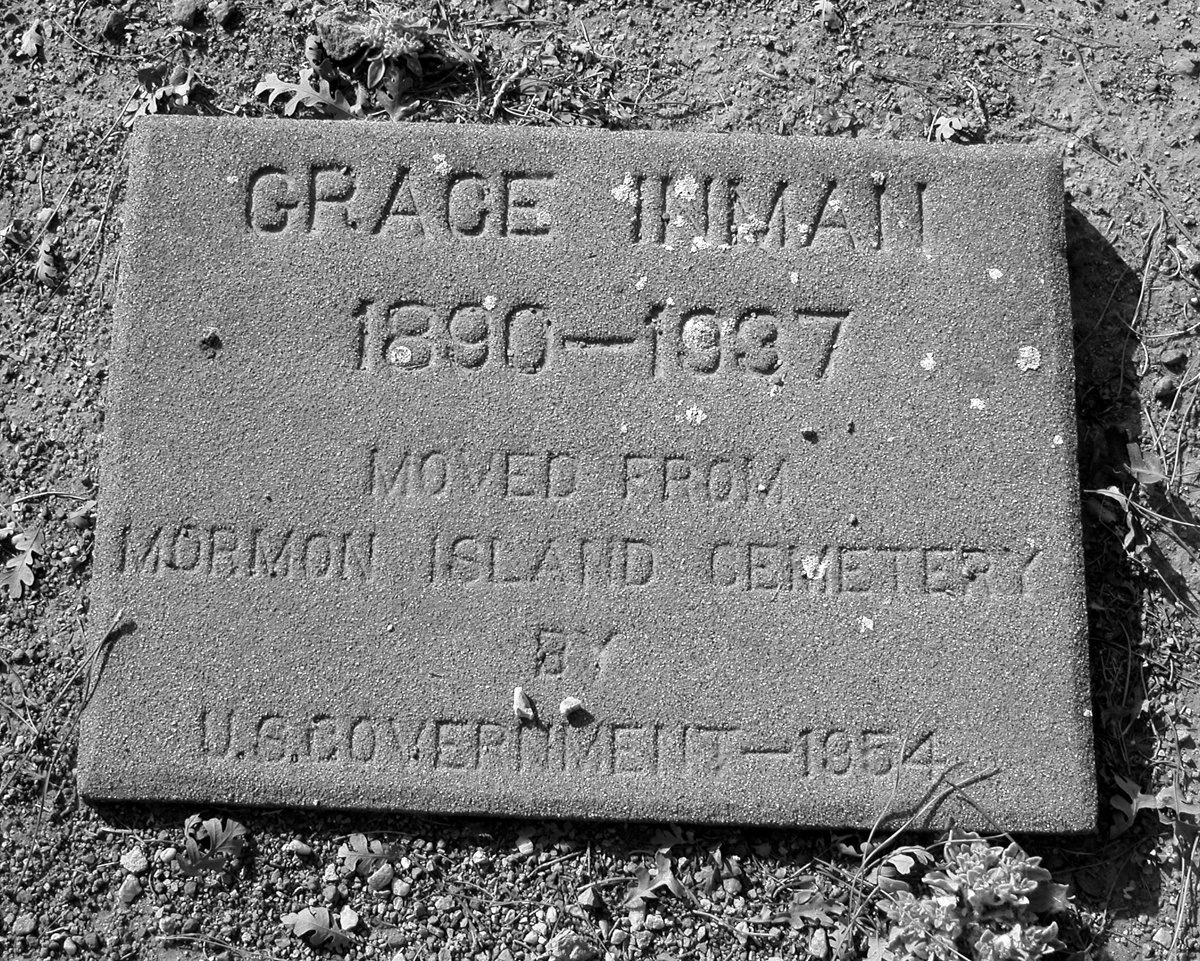
Mormon Island Cemetery: End of Shadowfax Lane off Green Valley Road, relocated when the original cemetery was flooded by Folsom Lake.
For more information
- El Dorado County Historical Museum (eldoradocountyhistoricalmuseum.org)
- California Cattlemen’s Association (calcattlemen.org)
- “I Remember . . .” by Betty Yohalem
- Pioneer Families of the El Dorado Hills Area—El Dorado County Genealogical Society (edcgs.org)
- Historic Clarksville Region (clarksvillehistoricsite.org)