Real estate development
Origin of the El Dorado Hills community
In 1959, Allan H. Lindsey purchased 20 parcels of ranchland (about 11,000 acres), named the project El Dorado Hills, and developed an ambitious master plan. Inspired by urban planner Victor Gruen’s “village” concept, Lindsey envisioned 12 distinct neighborhoods, each with its own center, open space, school, and recreation facilities, supporting an eventual population of 75,000.
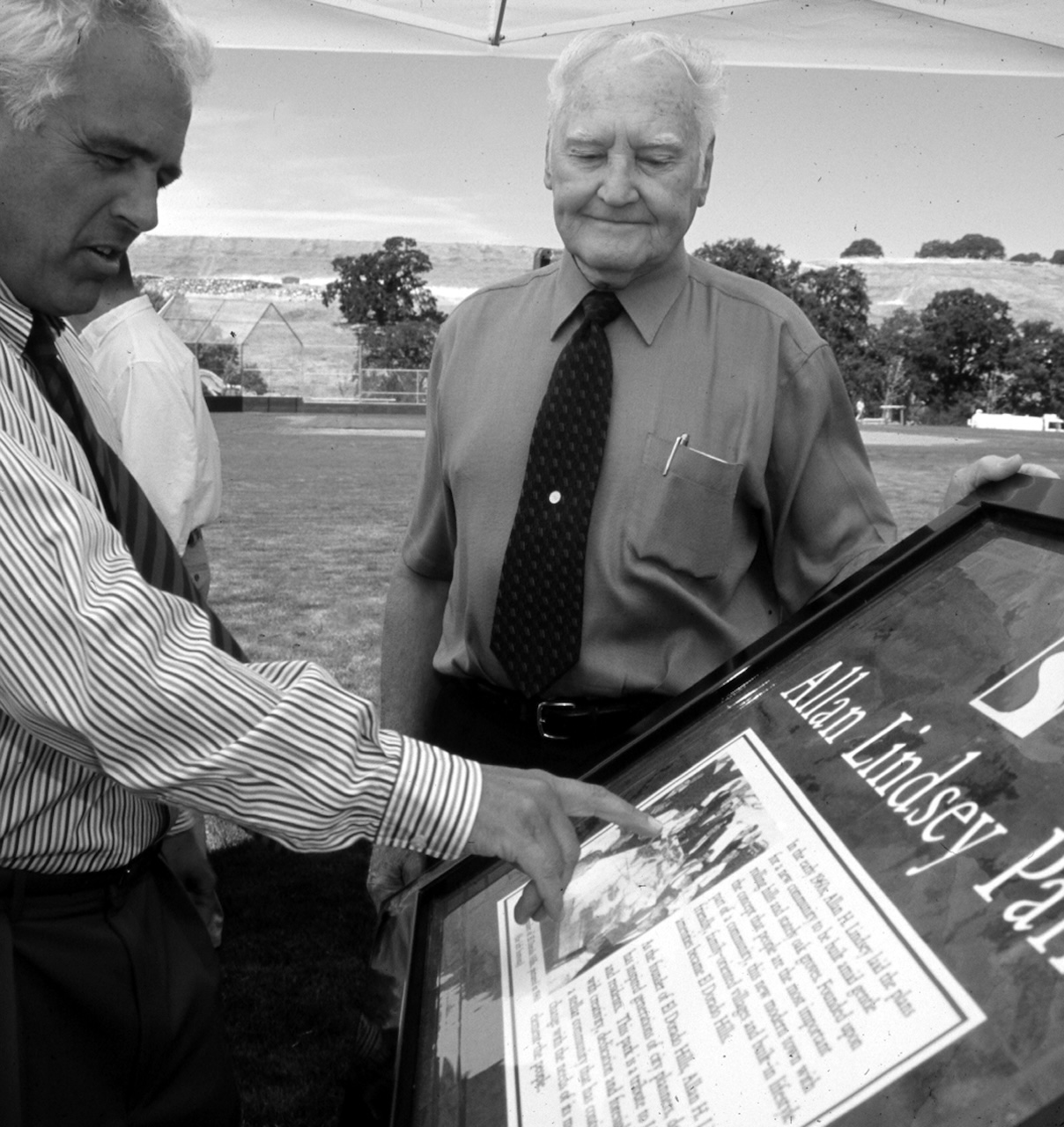
The original landholdings included the former Joerger ranch and famous Mormon Tavern site. The master-planned approach influenced decades of growth and remains visible in today’s development patterns, albeit with changes over time.
Development in the 1960s–1980s
El Dorado Hills’ first homes—Park Village—opened in the early 1960s with six model options. While landscape architects drew prestige from prior work at Disneyland, economic swings and shifts in the aerospace industry slowed initial growth. Lindsey’s role waned after selling interests to John Hancock Insurance Company, and later to El Dorado Hills Investors led by Tony Mansour in the late 1970s.
In the 1980s, concerns about rapid expansion led to outside analysis, resulting in the El Dorado Hills Specific Plan (1988). Partnerships, including Parker Development Company, became key players as growth resumed.
Growth and changes, 1990s to present
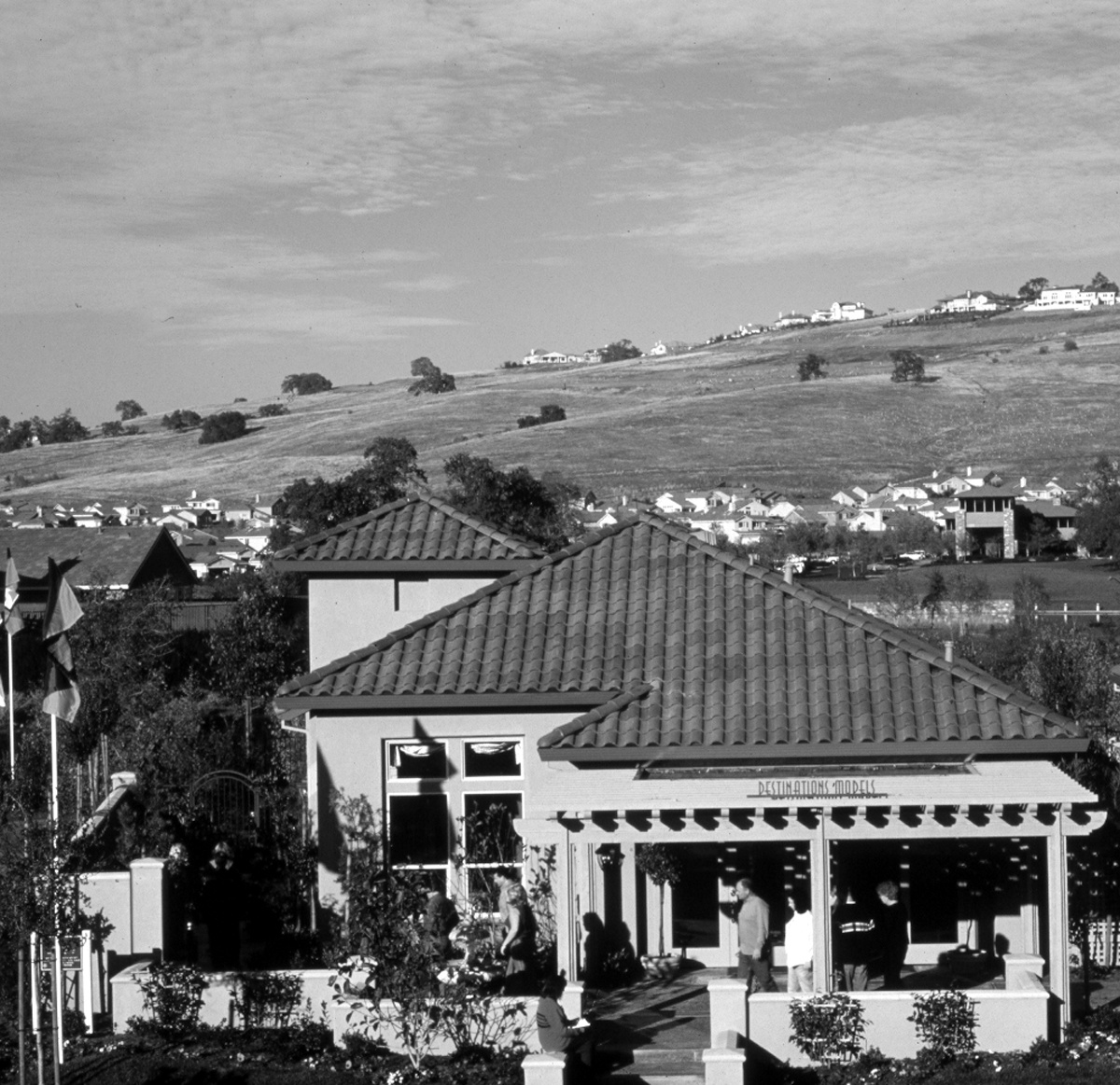
Master-planned communities flourished in the 1990s and 2000s—most notably Serrano, a 3,500-acre development by Parker Development, which opened its country club and visitor center in 1996. By 2025, much of Serrano has been built out, comprising thousands of homes, significant open space, parks, schools, trails, and a private golf course.
Parker Development continues to own and manage land in EDH, but the bulk of their holdings have transitioned into residential neighborhoods and public open space. Some larger tracts (notably in central and east EDH, and around Marble Valley/Lime Rock) remain in Parker’s portfolio, subject to planning debates and rezoning applications.
The commercial sector has matured. La Borgata—a Tuscan-themed retail and dining center—was completed and is now a staple destination for shopping, dining, and local events. Other commercial projects include the Raley’s Center, the expanding El Dorado Hills Business Park along Latrobe Road, and new “micro-flex” office and mixed-use spaces reflecting recent trends.
New large-scale or mixed-use projects in progress include Town and Country Village and East Ridge Village (luxury and senior living, community amenities, retail, and park space), alongside ongoing residential construction in Promontory, Four Seasons, and smaller infill parcels.
Real estate planning and the future
The original “village” plan underpinning El Dorado Hills has shaped decades of policy, but has been periodically revised. Population growth has not yet reached Lindsey’s projected 75,000, but the area continues steady expansion. Much remaining land is set aside as open space, parkland, and trails, with new development subject to review by local agencies and community groups. Parker Development remains a central but not sole landowner and developer, with public-private partnerships guiding the next phases of growth.
The character of real estate development in EDH today emphasizes master-planned communities, sustainability, public amenities, and balanced commercial/residential growth. Future debates focus on density, transportation, and preserving the unique “village within a village” identity.
For more information
- Parker Development Company (parkerdevco.com)
- El Dorado Hills Area Planning Advisory Committee (edhapac.org)
- El Dorado Hills Community Services District (edhcsd.org)
- El Dorado County Planning Commission (edcgov.us/planning)
- California Center for Real Estate (ccre.us)
- Current local real estate trends (onyx-re.com/blog/el-dorado-hills-housing-market)
- Open Space and Parks Advocacy (parksnotparker.org)
- Marshall Gold Discovery State Historic Park (parks.ca.gov)
- “I Remember . . .” by Betty Yohalem