Spanish/Mexican period
Spanish control of California
Spanish conquistadores first reached California in 1542. For two centuries, the region was a minor stop on trade routes. Spanish rule began in 1769 with the San Diego de Alcala mission, followed by twenty other coastal missions by 1823. The missions were spaced a day’s travel apart along El Camino Real (the king’s highway).
Mission settlements gathered and relocated many natives, aiming to convert them to Christianity. This uprooting caused population decline, but most Sierra foothill Indians—living far from the missions—were spared harsh impacts. Their hunting/gathering lifestyle in the foothills protected them from forced relocation and the worst of the devastation.
Mexican independence in 1821 ended Spanish military control in California.
Early exploration in the Sierra
During this time, explorers and trappers ventured into California. Russians founded Fort Ross in 1812. Americans like Jedediah Smith (who tracked the American River in 1826) and John C. Fremont (who traveled the South Fork in 1844-45) mapped the region and sought new opportunities.
Mexican land grants
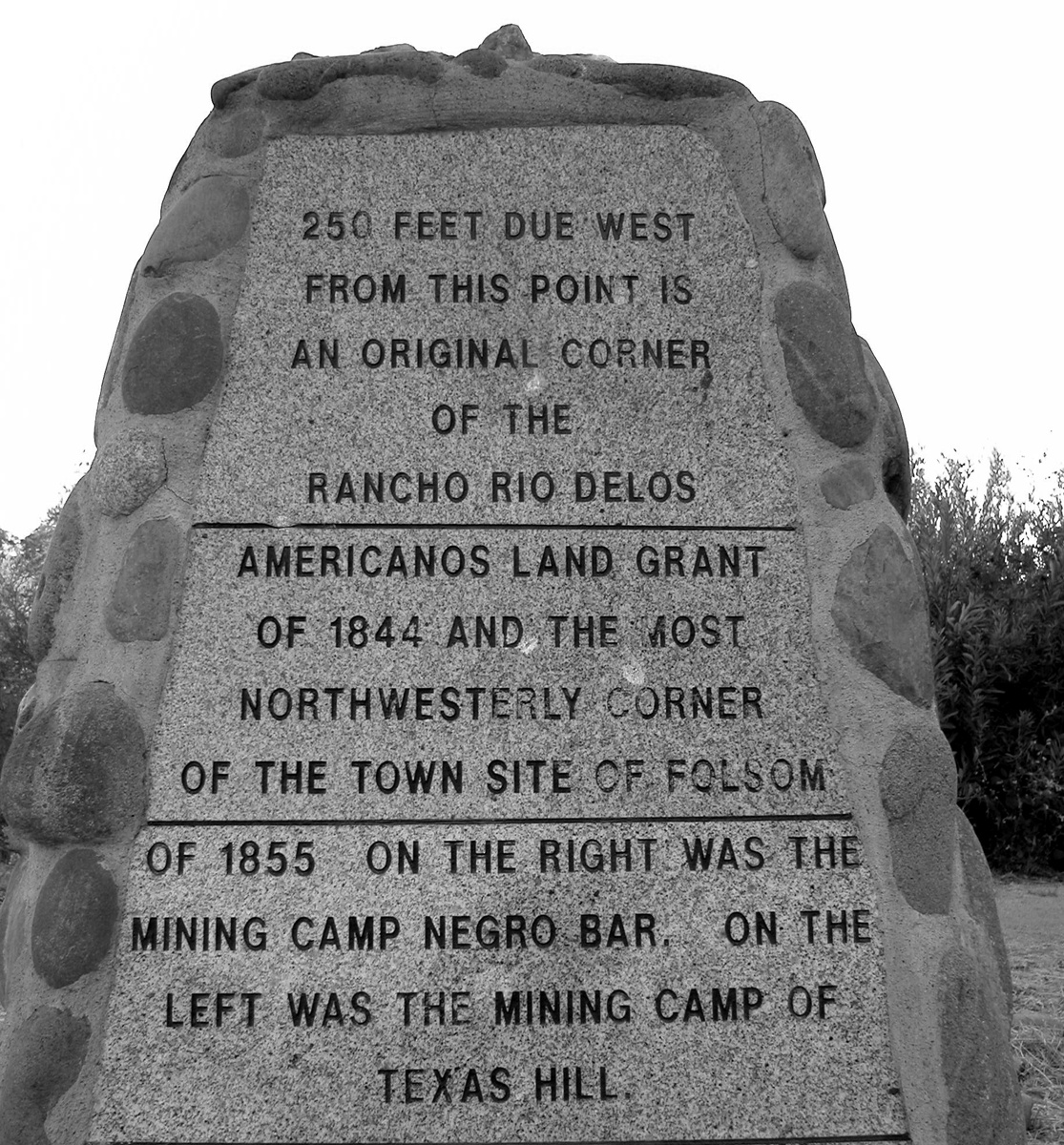
Between 1833 and 1846, Mexico privatized much of California land, granting extensive ranchos to individuals. In the Sierra foothills, notable grants included Del Paso, San Juan de los Americanos, and Cosumnes—large estates supporting cattle, horses, and new settlements.
The “Grant Line” roads still mark many historic rancho boundaries. These land grants shaped local land use and legacy ownership patterns well into the American period.
Manifest Destiny and the war with Mexico
Reports of California’s natural beauty and resources inspired a national push for expansion, known as Manifest Destiny. President James Polk, elected in 1844, pursued the annexation of New Mexico and California, which led to war between the United States and Mexico after the U.S. claimed Texas in 1846.
California statehood
The Treaty of Guadalupe Hidalgo (1848) ended the war, transferring New Mexico and California to the United States for $15 million. California achieved statehood in 1849 after the gold rush radically transformed its society and landscape.
Glossary
The following table lists key terms used in this topic and their definitions.
| Term | Definition |
|---|---|
| rancho | Large land grant in Mexican California, typically used for grazing cattle or settlement. |
| land grant | Parcel of land given by Spanish or Mexican authorities, often creating ranchos in California. |
| El Camino Real | The historic “King’s Highway” connecting Spanish missions, pueblos, and presidios in California. |
| Treaty of Guadalupe Hidalgo | Treaty (1848) that ended the Mexican-American War, transferring California and other territories to the United States. |
| Manifest Destiny | The 19th-century belief that U.S. expansion across North America was justified and inevitable. |
For more information
- California State Parks—El Camino Real History and Missions (parks.ca.gov)
- California Historical Society (californiahistoricalsociety.org)
- California State Archives—Land Grant Maps and Documents (sos.ca.gov/archives)
- California Ranchos (calisphere.org)